

Teléfono
:+86 - 17718123415
Correo electrónico
:info@sailsolaress.com
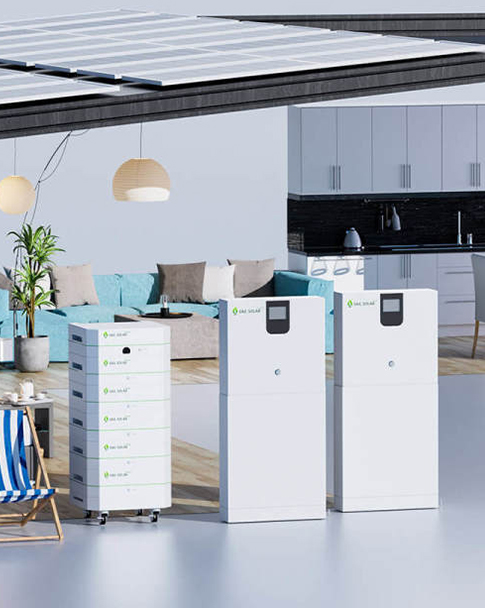
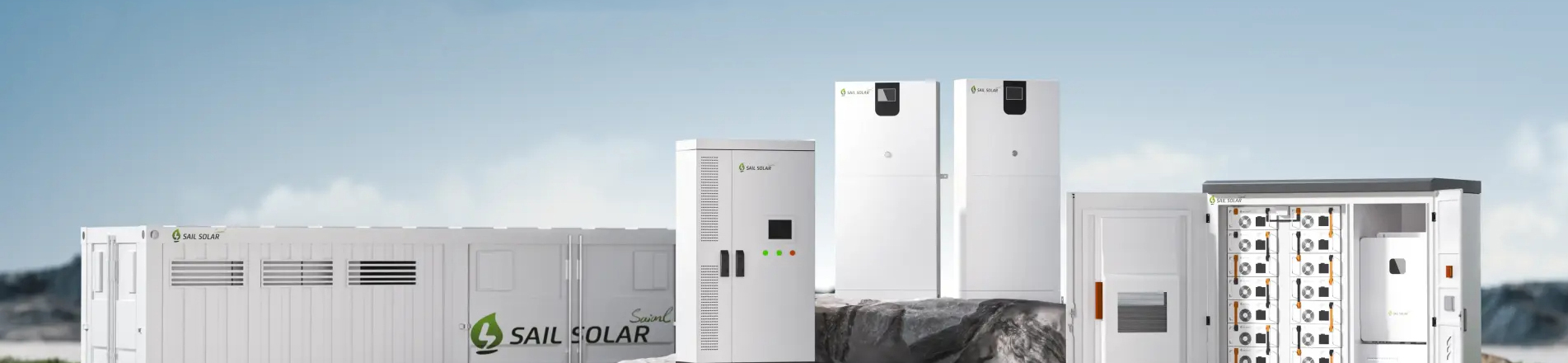
A medida que la instalación global de energía solar distribuida continúe aumentando en 2026, el almacenamiento de energía solar se ha convertido en una parte fundamental e indispensable de los sistemas fotovoltaicos residenciales, comerciales e industriales.
Entre las diversas tecnologías de baterías, las de iones de litio dominan la mayoría de los escenarios de almacenamiento fotovoltaico más consolidados, mientras que las de iones de sodio están emergiendo rápidamente con ventajas únicas en cuanto a coste y seguridad.
La rápida expansión de las centrales fotovoltaicas industriales y en tejados impulsa el rápido crecimiento del mercado de almacenamiento de energía solar. Las baterías de almacenamiento de energía son el componente principal de los sistemas fotovoltaicos aislados, de reducción de picos de demanda y de autoconsumo, y dos tipos principales de baterías —las de iones de sodio y las de iones de litio— compiten por la cuota de mercado en diferentes escenarios de aplicación.
Muchos contratistas y usuarios finales tienen dificultades para distinguir entre sus limitaciones de rendimiento, coste y servicio. Este artículo compara exhaustivamente las dos tecnologías de baterías y analiza los esquemas de integración más comunes para el almacenamiento de energía solar en 2026.
1.1 Datos globales de instalación de sistemas de almacenamiento de energía solar en 2026
Según el Informe trimestral de la industria del almacenamiento de energía Según datos publicados por PVinfolink, el envío mundial de baterías para el almacenamiento de energía solar superará los 320 GWh en 2026. Las baterías de iones de litio aún representan más del 78 % del mercado de almacenamiento distribuido doméstico y comercial, mientras que las baterías de iones de sodio alcanzan la producción en masa a gran escala y penetran gradualmente en los escenarios de almacenamiento de energía de baja velocidad y de almacenamiento de energía industrial a gran escala.
2. Comparación completa: Batería de iones de sodio frente a batería de iones de litio para el almacenamiento de energía solar.
2.1 Brecha química principal y de rendimiento
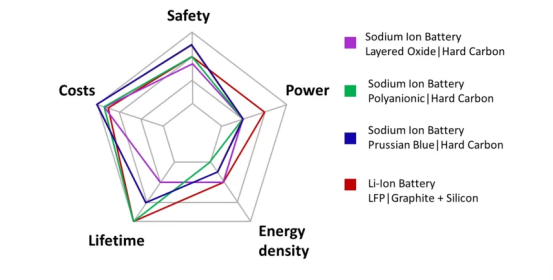
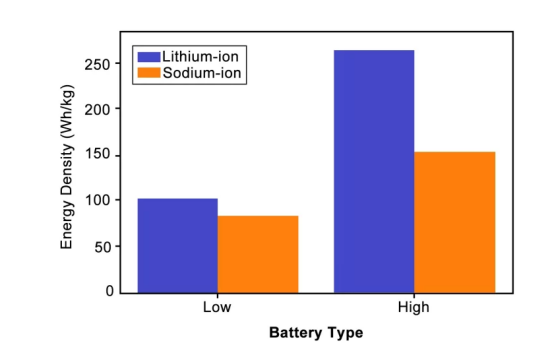
1. Densidad de energía: baterías de fosfato de hierro y litio Las baterías de iones de sodio ofrecen una capacidad de almacenamiento de energía solar de entre 140 y 160 Wh/kg, muy superior a los 90-120 Wh/kg de las de iones de sodio; además, requieren menos espacio de instalación para la misma capacidad, lo que las hace más adecuadas para el almacenamiento fotovoltaico en tejados residenciales con espacio limitado.
2. Rendimiento a bajas temperaturas: Las baterías de iones de sodio mantienen una eficiencia de descarga estable por debajo de los -20 °C, mientras que la capacidad de las baterías de iones de litio disminuye considerablemente en zonas frías, lo que convierte al sodio en una mejor opción para las estaciones de almacenamiento de energía solar al aire libre en latitudes altas.
3. Ciclo de vida: Las baterías de litio admiten entre 6000 y 8000 ciclos de carga y descarga para el almacenamiento de energía fotovoltaica en hogares; las baterías de iones de sodio de producción masiva alcanzan entre 4000 y 6000 ciclos, suficientes para grandes proyectos industriales de reducción de picos de demanda con carga diaria frecuente.
2.2 Diferencias en seguridad, materia prima y costes
---Suministro de materias primas: El litio depende de recursos escasos de mineral de litio con fluctuaciones de precios volátiles; el sodio utiliza materias primas de sal abundantes, con costos a largo plazo más estables.
---Seguridad térmica: Las baterías de iones de sodio no presentan riesgo de sobrecalentamiento a altas temperaturas, lo que reduce eficazmente los riesgos de incendio en los armarios de almacenamiento de energía solar para exteriores; el fosfato de hierro y litio ofrece una seguridad moderada, pero requiere un diseño completo de gestión térmica del BMS.
---Costo unitario: En 2026, el costo unitario kWh de la batería de iones de sodio es un 18% menor que el de fosfato de hierro y litio, con mayores ventajas de costo en más Almacenamiento de energía solar a gran escala de 1 MWh proyectos.
A medida que la instalación global de energía solar distribuida continúe aumentando en 2026, el almacenamiento de energía solar se ha convertido en una parte fundamental e indispensable de los sistemas fotovoltaicos residenciales, comerciales e industriales.
Entre las diversas tecnologías de baterías, las de iones de litio dominan la mayoría de los escenarios de almacenamiento fotovoltaico más consolidados, mientras que las de iones de sodio están emergiendo rápidamente con ventajas únicas en cuanto a coste y seguridad.
3. Soluciones de baterías convencionales para 2026 en diferentes escenarios de almacenamiento de energía solar.
Según las estadísticas de envíos del mercado global y las preferencias prácticas de los instaladores, las configuraciones principales de almacenamiento de energía solar se dividen en dos categorías según el tipo de batería:
3.1 Batería de iones de litio: la opción dominante para el almacenamiento fotovoltaico residencial y comercial pequeño
La batería de fosfato de hierro y litio sigue siendo la solución principal para el almacenamiento de energía solar residencial conectada a la red. Combinada con inversores fotovoltaicos híbridos, permite el autoabastecimiento durante 24 horas, el respaldo en caso de cortes de energía y el arbitraje de electricidad entre picos y valles. Las especificaciones principales incluyen: Batería de litio de 5 kWh/10 kWh para montaje en pared Paquetes perfectamente compatibles con sistemas fotovoltaicos residenciales monofásicos de menos de 15 kW.
Puntos fuertes principales: Alta densidad energética, tamaño compacto, larga vida útil, protocolos de compatibilidad consolidados entre inversores y sistemas de gestión de baterías (BMS); todas las marcas principales de inversores solares ofrecen programas de soporte completos para el almacenamiento de litio.
3.2 Batería de iones de sodio: una tecnología alternativa emergente para escenarios específicos
Para Parque industrial solar de 30 MW Para la reducción de picos de demanda fotovoltaica, el almacenamiento de energía solar en microrredes de islas remotas y las centrales eléctricas centralizadas de baja temperatura en el norte, las baterías de iones de sodio se han convertido en la opción principal en 2026. Los fabricantes lanzan gabinetes de almacenamiento de energía de iones de sodio en contenedores con una capacidad de unidad única de 500 kWh a 2 MWh, lo que reduce la inversión total del proyecto entre un 12 % y un 15 %.
Limitaciones existentes: La baja densidad energética conlleva un mayor volumen del gabinete; pocos inversores domésticos admiten la adaptación de iones de sodio, por lo que rara vez se utiliza en pequeños sistemas fotovoltaicos residenciales en tejados.
4. Tendencias de desarrollo futuro de la tecnología de baterías para el almacenamiento de energía solar
Los analistas profesionales del sector predicen que la densidad energética de las baterías de iones de sodio aumentará a 130-140 Wh/kg para 2028, y su cuota de mercado en el almacenamiento de energía solar a mediana y gran escala aumentará al 25 %.
Las baterías de iones de litio seguirán dominando el mercado de almacenamiento distribuido doméstico gracias a su cadena industrial bien desarrollada y a sus completos accesorios de soporte.
En resumen, la principal diferencia entre las baterías de iones de sodio y las de iones de litio para el almacenamiento de energía solar radica en su rendimiento técnico y adaptabilidad a distintos escenarios, más que en su popularidad en el mercado. Actualmente, las baterías de iones de litio mantienen una posición dominante en la industria del almacenamiento de energía fotovoltaica gracias a su tecnología madura, alta densidad energética y gran compatibilidad con los sistemas. Como tecnología emergente, las baterías de iones de sodio presentan ventajas únicas en cuanto a coste, seguridad y rendimiento a bajas temperaturas, pero aún requieren mejoras técnicas e industriales para lograr una mayor adopción.
Preguntas y respuestas:
1. ¿Por qué se comparan frecuentemente las baterías de iones de sodio con las baterías de fosfato de hierro y litio (LFP)?
Las baterías de iones de sodio tienen una densidad energética menor que las baterías de iones de litio basadas en níquel. Por consiguiente, son más adecuadas para aplicaciones con menores requerimientos energéticos.
Esto las convierte en una opción ideal para sistemas de almacenamiento de energía estacionarios y vehículos pequeños donde la autonomía no es un factor crítico.
Cabe destacar que la empresa china BYD planea utilizar baterías de iones de sodio en sus vehículos.microcoches,"indicando claramente el segmento de mercado objetivo."
2. ¿Son realmente más baratas las baterías de iones de sodio que las de iones de litio?
La tecnología de iones de sodio cobró gran relevancia cuando los precios de las baterías de iones de litio se dispararon debido a las interrupciones en la cadena de suministro durante la pandemia de COVID-19 y a las tensiones geopolíticas que afectaron al suministro de níquel.
Sin embargo, la situación ha evolucionado; los datos indican que las baterías de iones de litio serán cada vez más asequibles con el tiempo.
3. ¿Recomienda las baterías de iones de sodio?
Depende de la aplicación específica. Dado que los costos son actualmente comparables, recomendamos las baterías de iones de litio debido a su mayor densidad de energía y mayor vida útil.
Por otro lado, las baterías de iones de sodio son adecuadas para aplicaciones que priorizan los bajos costos y una mayor seguridad en climas fríos.
Nos dedicamos a proporcionar soluciones de baterías personalizadas para satisfacer sus necesidades específicas; por favor Contáctanos para una solución profesional.
 Red IPv6 compatible
Dejar un mensaje
Escanear a WeChat :

Escanear a WhatsApp :